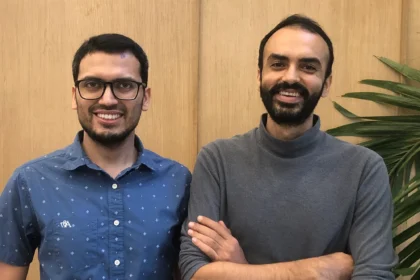
A gaming start-up has launched a Web3 multi-play platform that seeks to revolutionize the manner in which gamers interact, compete, and reward themselves in online gaming environments. The newly developed platform combines the concepts of blockchain and online multi-play games, allowing gamers to fully own their online assets and reward themselves in a transparent manner.
The gaming market, currently at a value of over $200 billion, is in the middle of a major shift as gamers call for more control, fairness, and value in their gaming experiences. The traditional gaming paradigm traditionally deprives gamers of ownership, as gaming items and progress are locked in a centralized system controlled by gaming publishers in those platforms. The newly released Web3 gaming multiplayer solves those problems by incorporating a decentralized infrastructure that focuses on gamers.
Blockchain-based asset ownership stands at the heart of the entire framework. Characters, skins, weapons, and collectibles in the virtual world are created in the form of tokenized digital assets so that players can be able to possess them in order to trade or sell them out. This is a feature that is missing in all conventional online platforms since virtual assets lack any tangible value outside the network.
The multiplayer service for the startup is compatible with competitive as well as cooperative play in real-time. Also, the decentralized technology is seamlessly integrated in the background. Players can engage in ranked play, tournaments, as well as collaborative missions. It does not require any understanding or knowledge of the Web3 technology. The startup has ensured that the processes in Web3 technology are abstracted.
The other important aspect of this platform is its decentralized reward system. Players get tokens based on their performance and contributions to the platform and not just based on their play time on the platform because players get tokens that are traded or used to upgrade or participate in governance or other activities. The platform is thus incentivized because of its reward system that is ensured by its smart contracts and is thus secure and transparent.
The system also brings with it the concept of decentralised governance, which enables users to take part in decision-making forums concerning updates, functionality, as well as economic policies for gaming. Decentralised governance based on token holding brings with it a novel way of development that stems from community participation. This can be contrasted with traditional gaming systems where players lack influence despite their crucial contribution to gaming success.
Security and fairness have remained at the heart of the design for the new platform. Blockchain-based matchmaking, immutable game outcomes, and the ability to verify on-chain help prevent cheating and manipulative practices. The new startup at this stage has specifically focused on the aspect of transparency, which plays a crucial role in competitive platform gameplay, allowing trust levels to have a direct influence on player retention.
To make the adoption of the gaming platform easy, the gaming startup has ensured that the solution supports multiple platforms. This means that players can use the solution through desktops as well as mobiles. Additionally, the solution offers simplified wallet integration options that can connect custodial wallets or even non-custodial wallets. This will ensure that new players can join the platform with minimal hassles. Additionally, fiat on-ramp options have also been provided. This means that new players who are not familiar with the world of Web3 gaming can join the new gaming platform with
Industry experts suggest that Web3 multiplayer systems are set to revolutionize the gaming industry in terms of moving the potential for making money from game publishers to users. Through digital ownership becoming more significant by the day, games based on blockchain technology are set to unlock new ways of making money through skill and creativity as opposed to online microtransactions.
The startup also plans to extend the platform by the addition of esports-type tournaments, creator tools for user-generated content, and compatibility with other Web3 gaming ecosystems. Collaborations with game development companies, NFT trading platforms, and blockchain platforms are also being considered for improving the scalability of the platform.
Moving ahead, the firm plans to position its Web3 multiplayer offerings as the building blocks for decentralised gaming experiences. Through the intermingling of immersive gaming experiences with decentralised economics, the start-up intends to provide the missing link between conventional gamers and the next generation of decentralised entertainment. The hosting of this Web3 multiplayer platform marks the beginning of new times in the gaming industry, with the sector focusing on the idea of decentralization and innovativeness by gamers.