

A FoodTech startup that is growing fast has said it will open more cloud kitchens in big cities. This is a move for the company as it tries to get a stronger foothold in Indias food delivery market, which is changing very quickly. The company wants to give people in cities options for food that is easy to get, affordable and has a lot of variety. At the time the FoodTech startup wants to make its kitchens work better by using technology. The FoodTech startup is doing this because more and more people, in cities want FoodTech startup to deliver food to their homes.
The startup wants to grow its business in cities like Delhi-NCR, Mumbai, Bengaluru, Hyderabad, Chennai and Pune. People in these cities are always ordering food online because they are very busy and have smartphones. They also like using apps to get food delivered. The startup is going to open cloud kitchens in these big cities. This will help them deliver food faster make sure the food tastes the same every time and get orders for food. The startup is doing this to make its food delivery service better, in these cities the startup is focusing on Delhi-NCR, Mumbai, Bengaluru, Hyderabad, Chennai and Pune.
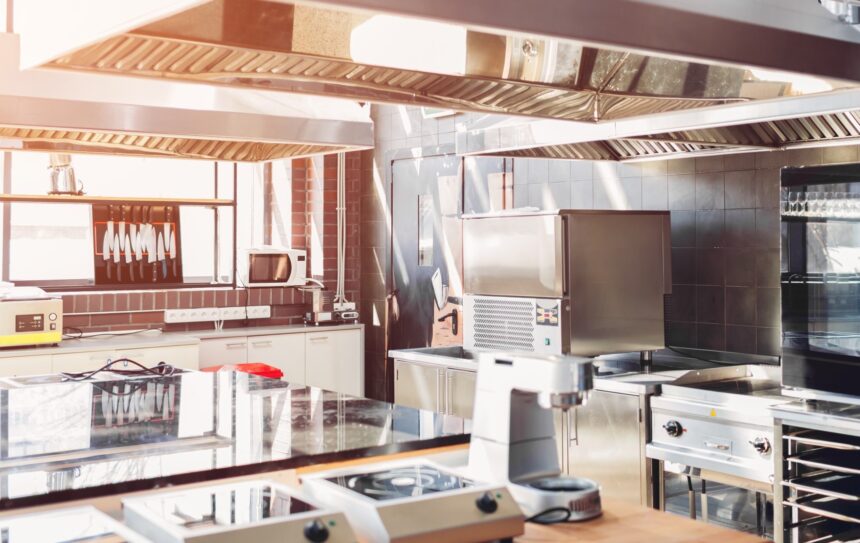
Cloud kitchens, which are also called kitchens or virtual kitchens do not have places for people to eat inside. They are for making food that people can pick up or have delivered. This way food companies can save a lot of money on rent and other costs. The startup uses this to its advantage by setting up kitchens in areas where a lot of people want food. These kitchens are all the same and are in locations so the startup can serve many areas from just one place. Cloud kitchens are an idea because they help food companies, like the startup save money and serve people in many neighbourhoods at the same time.
The company says they are going to start a lot of food brands. These brands will have all kinds of food like food from different parts of the country fast food, healthy food, snacks and sweet things. The company will make all this food in one kitchen. This way they can use the kitchen to its capacity and give people a lot of choices. The company looks at what people like to eat in an area and what they usually order. They use this information to decide what kind of food to start selling in that area. The company uses this information to make decisions about what food to sell where. They want to make sure they are selling the kind of food that people, in that area will like.
The startup is really dependent on technology to keep growing. They have a system that helps them manage their cloud kitchen operations. This system does a lot of things like keeping track of what they have in stock guessing how food they will need figuring out the best way to get orders to the right kitchen and making sure all the kitchens are working well. It also helps them get the ingredients they need throw away food and make sure everything tastes the same at all locations. The startups system works well with big food delivery companies so orders get processed quickly and food gets sent out fast. Technology, like this is a part of the startups plan to keep getting bigger.
The startup says that it has a system in place, for making sure everything is done the way every time. This means that all the kitchens do things the way when it comes to getting food ready keeping things clean and packing food. The startup also checks on each kitchen a lot to make sure they are doing a job and meeting the standards that the startup has set. This is important because the startup is opening up kitchens in cities and it needs to make sure that the food is safe to eat and tastes good at every single one of them. The startup has to keep track of how each kitchen’s doing so it can make sure that every kitchen is meeting the standards that the startup has set for food safety and taste.
The company is going to make jobs for people who work in the kitchen and for people who help get food to the customers. They will also work with people who live around there to get ingredients and help the food places. As the company gets bigger they will teach the kitchen people how to work when it is really busy. The company wants to support the food system and help the people who supply them with food. They will keep working with the suppliers and vendors to get the best ingredients, for the kitchen.
People who know a lot about the industry say that cloud kitchens are a way for FoodTech startups to grow. This is because cloud kitchens can be made bigger easily and they do not cost a lot of money. The cost of renting space in cities is going up so cloud kitchens are a good option for startups. They can start selling food in areas quickly and try out new brands without losing too much money if it does not work out.
FoodTech startups like cloud kitchens because they are a business model.
The way people buy food is changing. Now customers want their food to be ready fast they want to have options and they want to pay less money. They do not want to go to restaurants much as they used to. Cloud kitchens are a choice, for FoodTech startups because they meet the needs of customers.
The FoodTech startup is going to make its presence stronger in cities where it already has a presence. At the time it will slowly start moving into some other smaller cities.
The FoodTech startup has a things it wants to do in the future.
- It wants to start a service where people can pay a fee to get meals.
- The FoodTech startup also wants to add healthy food options, for people who are watching what they eat.
- It is thinking about working with companies to sell products with its own name on them.
The FoodTech startup also cares about the earth.
It is trying to use packaging that does not harm the environment.
The FoodTech startup is also trying to reduce the amount of waste it produces.
As competition intensifies in the food delivery space, scale, efficiency, and brand differentiation will be key to long-term success. By expanding its cloud kitchen network across metro cities, the startup is positioning itself to capitalise on growing urban demand while building a resilient, technology-led food business for the future.


