As India’s startup ecosystem reaches maturity and domestic markets get saturated in some segments, more and more founders look beyond borders—and Southeast Asia is fast emerging as their preferred destination. Indian startups, ranging from fintech to logistics, SaaS, and e-commerce, are increasingly expanding into this dynamic region, drawn by the youthful population, digital-first economy, and striking cultural and business similarities with India.
Recent reports indicate that more than 150 Indian startups are now active in operations or forging partnerships across Southeast Asia, including Singapore, Indonesia, Malaysia, Vietnam, and the Philippines. The trend epitomizes a significant evolution in India’s entrepreneurial narrative-from being an importer of innovation to an exporter of technology and talent.
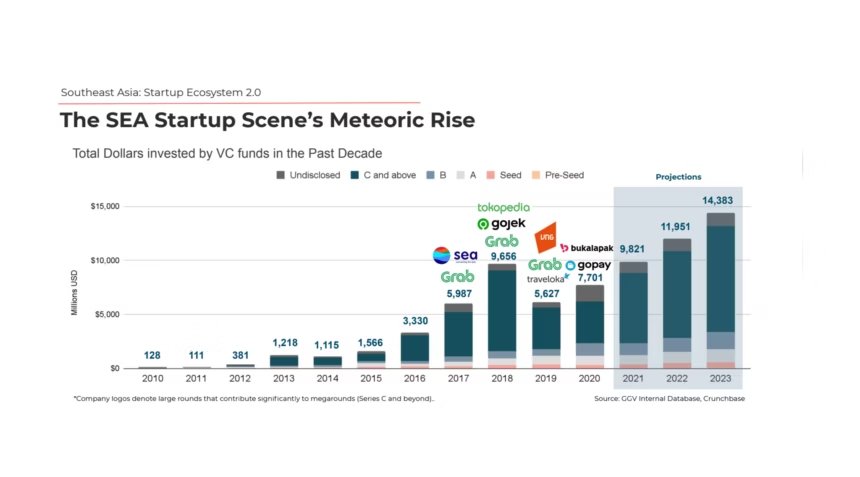
At the core of the boom is the region’s fast-growing digital economy: Southeast Asia’s combined GDP tops $3 trillion, its population exceeds 680 million, and it is young, increasingly mobile, and tech-savvy. The regional internet economy will top $300 billion by 2025, per a report by Google and Temasek, making it one of the most promising growth markets in the world. For Indian startups that have already tested and scaled their models in a price-sensitive, high-volume environment at home, Southeast Asia presents an attractive, familiar terrain-only larger and more digitally open.
And leading this wave are fintech companies. Giants such as Razorpay, Pine Labs, and Cashfree have just about started making their strong presence felt in Singapore and Indonesia, leveraging India’s acumen in digital payments infrastructure. With UPI already expanding globally, Indian fintech solutions-whether for QR-based payments in Vietnam or cross-border remittances across Malaysia and Thailand-have now begun getting adapted for regional use. The recent collaboration of the Reserve Bank of India with MAS, the Monetary Authority of Singapore, to link UPI with PayNow has catalyzed this momentum even more.
Beyond fintech, SaaS companies like Freshworks, Zoho, and BrowserStack are capturing Southeast Asian clients with affordable, scalable solutions tailored for small and medium-sized enterprises. For these businesses, Indian software is not only inexpensive but also more attuned to their operational reality than Western offerings. The cultural proximity-in language, communication, and work style-also gives Indian startups an edge in building relationships across borders.
Another big vertical leading growth is logistics and enabling e-commerce. With the surge in Southeast Asia’s e-commerce market, driven by demand on platforms like Shopee and Lazada, Indian startups focused on supply-chain automation, warehousing tech, and last-mile delivery see great opportunity. For example, Shiprocket from Bengaluru and Delhivery are brokering regional partnerships to help Southeast Asian brands fine-tune online commerce infrastructure.
More than the business opportunity, however, this is about strategic diversification. With the regulatory frameworks tightening and competition intensifying in India, startups are increasingly looking for newer geographies to de-risk operations and scale up faster. Southeast Asia, with its relatively friendly regulations and tax incentives available in hubs such as Singapore and Malaysia, becomes the ideal launchpad for global expansion.
Many venture capitalists are encouraging this shift. Funds like Sequoia Capital, Accel, and Lightspeed Venture Partners have developed strong regional networks wherein their Indian portfolio companies can access capital, mentorship, and local partnerships seamlessly in the rest of Southeast Asia. Growing cross-border accelerators like Antler, Entrepreneur First, and Golden Gate Ventures further support Indian founders in navigating these new markets.
But the journey isn’t without its challenges. Each Southeast Asian nation has its set of cultural nuances, consumer behaviors, and regulatory landscapes. While Singapore is known for efficiency and ease of doing business, markets like Indonesia and Vietnam are complex and require local partnerships and deep market understanding. Successful startups adapt-localizing products, hiring regional talent, and embedding themselves in the ecosystem rather than approaching it as a mere extension of India.
The good news is that Indian entrepreneurs are getting rather good at this. With exposure to global markets, multilingual teams, and cross-border funding, the new generation of founders is better primed than ever to compete on the global stage. This wave is only going to surge further as India continues to strengthen its diplomatic and trade relations with ASEAN countries and digital cooperation deepens with initiatives like the India-ASEAN Startup Bridge. For Indian startups, Southeast Asia is not just the next market but a gateway to global recognition, a proving ground that blends scale, opportunity, and diversity. The message is clear: while the West may still hold prestige, the East holds potential. Southeast Asia is where India’s next generation of startups will test their mettle, refine their global ambitions, and shape the future of innovation across borders.