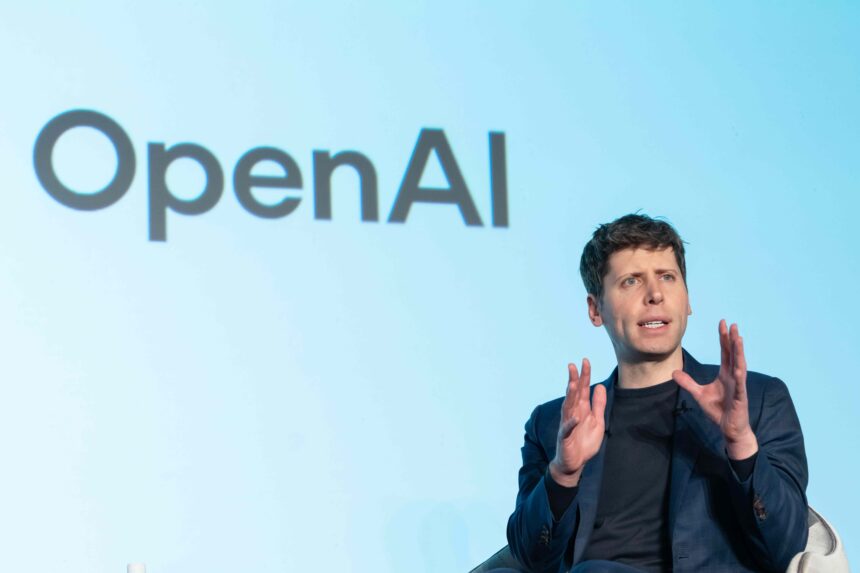
In a milestone for the global startup scene, OpenAI, the research and product company based on artificial intelligence behind ChatGPT, has hit an estimated $500 billion valuation after a gargantuan secondary share sale. The deal, which saw $6.6 billion of shares from existing and former staff, makes OpenAI potentially the world’s most valuable startup with more value than many of the established tech giants in market capitalization.
A New Benchmark for AI Startups
The transaction mirrors the explosive proliferation of artificial intelligence software, especially large language models (LLMs) and generative AI systems. OpenAI has increased from a niche research establishment following the release of ChatGPT in late 2022 to a household name, with its solutions now impacting hundreds of millions of people and organizations across the globe.
By allowing its staff to sell their shares, OpenAI has not merely opened up liquidity for early employees but also indicated increasing investor faith in its long-term worth. Experts opine that the $500 billion valuation is an indicator of a “paradigm shift” towards how markets view AI-powered companies.
Details of the Share Sale
The $6.6 billion secondary offering was not a typical funding round but one that enabled current and past employees to cash out a portion of their ownership. Investors, who were mostly venture capital firms and international funds that focus on AI, acquired these shares, de facto establishing a new valuation threshold for the company.
While OpenAI has raised multiple funding rounds from strategic partners like Microsoft, which has invested billions to integrate OpenAI’s technology into Azure and Office products, this transaction demonstrates how private markets are willing to ascribe even higher value to the company’s future.
Why $500 Billion Matters
Reaching the half-trillion-dollar mark is an achievement usually reserved for publicly traded technology giants like Apple, Microsoft, and Alphabet. For a private startup to achieve this valuation serves to highlight the special place OpenAI holds within the technology landscape.
Revenue at the company has risen in recent years due to enterprise subscription for ChatGPT Enterprise, licensing arrangements with international corporations, and inclusion in consumer applications and developer platforms. Additionally, the widening into domains such as AI agents, robotics research, and multimodal systems (text, image, audio, and video generation) by OpenAI has continued to generate excitement among users and investors alike.
Market Reactions and Implications
Industry experts suggest this valuation will have ripple effects across the AI and startup ecosystem:
Increased Funding Pressure – Rival AI startups such as Anthropic, Cohere, and Mistral may find it easier to raise capital but harder to compete at scale.
Geopolitical Significance – OpenAI’s rise reinforces the United States’ leadership in AI development at a time when nations are racing to secure technological dominance.
Valuation Benchmarks – Investors may use OpenAI’s $500B figure as a reference point when valuing other AI companies, potentially inflating startup valuations across the sector.
Leadership’s Vision
Sam Altman, CEO of OpenAI, has repeatedly emphasized that the company’s mission goes beyond building profitable products—it aims to ensure that artificial general intelligence (AGI) benefits all of humanity. At the same time, OpenAI’s meteoric financial growth highlights the tension between commercial expansion and ethical stewardship.
In a recent post, Altman observed, “This valuation is a recognition of the transformative potential of AI. But our responsibility remains the same—to build safe, aligned, and broadly beneficial AI systems.”
Challenges Ahead
Even with its record valuation, OpenAI has a lot to contend with. U.S. and European regulators are questioning AI firms for privacy, security, and monopoly-related issues. Competition from Big Tech and nimble startups is also heating up. The expense of creating and training sophisticated AI models also continues to be massive, with ongoing capital and infrastructure investment needs.
Looking Forward
With OpenAI entering this new valuation strata, its path may redefine the definition of a “startup.” No longer merely a research lab, OpenAI is one of the most influential companies of the 21st century, determining the way humans and machines interact.
The $500 billion mark is not just a number—it represents the pivotal position AI will hold in the world’s economy, society, and everyday life. With this pace, OpenAI is set to keep innovating, while having the responsibility of ensuring AI progresses in a safe, transparent, and equitable manner.