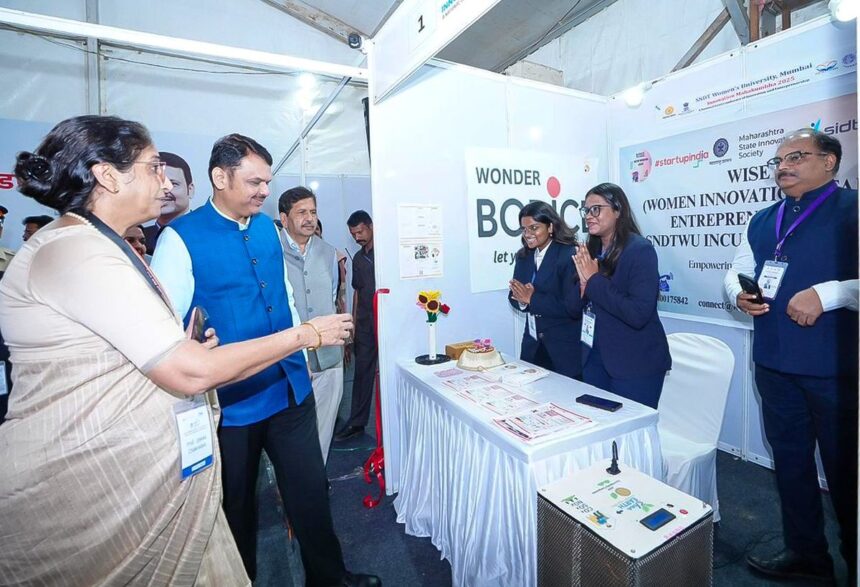
Recently concluded at the SNDT Women’s University in Mumbai, the “Innovation Mahakumbh 2025” gave a major fillip to the startup ecosystem of Maharashtra. The event, which was inaugurated by Maharashtra Deputy Chief Minister Devendra Fadnavis, brought into sharp focus women-led entrepreneurial ventures and innovation-driven solutions from the state. With close to 45% of registered startups in Maharashtra either founded or led by women, the event highlighted the growing influence of women entrepreneurs in India’s business and innovation landscape.
The Innovation Mahakumbh is designed to present an array of high-potential ideas, facilitate collaborations, and inspire aspiring entrepreneurs through mentorship and knowledge exchange. Significantly, three women-led startup initiatives that addressed medical innovation, agricultural improvement, and transportation technology, respectively, were celebrated for their ventures that can address very pertinent and practical problems with scalable solutions.
One of the innovations that stood out was from a startup working on early-stage medical diagnosis with affordable, portable testing devices. Such a solution addresses the two leading concerns related to healthcare accessibility in rural and semi-urban areas: faster diagnosis and better preventive care. Another recent startup presented a smart agriculture monitoring system, which helps farmers in the best utilization of water and upkeep of crop health through insightful data-driven findings. The third venture showcased sustainable mobility solutions to reduce urban congestion and emissions-all areas highly relevant to the development priorities of Maharashtra.
The event was designed to focus not only on showcasing innovation but also on building a supportive ecosystem for women founders. Panel discussions and interactive sessions brought together government representatives, industry leaders, investors, and university mentors. These conversations will center on improving access to capital, expanding market networks, understanding business compliance, and enhancing leadership skills. It is designed to move beyond inspirational speeches to actionable pathways for scaling women-led businesses.
Fadnavis said that Maharashtra is committed to nurturing women entrepreneurs and discussed how engendering business can drive inclusive economic growth. He said the state is going to further enhance incubation support, increase access to grants, and facilitate collaboration with corporate innovation programs. With Mumbai as a financial and corporate center and Pune emerging as a growing technology hub, Maharashtra is poised to accelerate efforts to increase women’s participation in entrepreneurship.
One of the major takeaways from the event was a call for academic institutions to act as accelerators of innovation. The SNDT Women’s University, already recognized for its role in the promotion of women’s education and empowerment, is engaging more and more with industry and government bodies to create an enabling environment for startups. Universities are increasingly becoming important launchpads for first-time founders, especially women who may not have traditional business networks, through incubation centers, innovation labs, and entrepreneurship cells.
While the rise of women-led startups is encouraging, challenges persist. Access to investment capital remains unequal, with women-led companies often garnering a smaller share of early-stage and venture funding than male-led firms. Social barriers, along with limited exposure to entrepreneurial mentorship and risk-averse family expectations, may curtail the ability of women to scale their ventures. Events like Innovation Mahakumbh try to bridge this gap by promoting visibility, networking opportunities, and direct investor engagement.
The larger ramifications of the event go well beyond Maharashtra. Over the past decade, India’s startup ecosystem has grown at a rapid pace, but it needs to be an inclusive one for true sustainability. Women, if their contribution is encouraged as leaders and innovators rather than just contributors, can open up new industries, improve livelihoods, and bring in fresh thinking into problem-solving. Further, women-led startups have shown strong traction in sectors such as healthcare, education, sustainability, local manufacturing, fashion enterprises, and community-driven commerce-things that touch the very core of society and economic stability.
Supporting such sectors creates business value along with social impact. Innovation Mahakumbh 2025 is expected to be an important step toward building momentum for women-driven entrepreneurship in Maharashtra. The recognition of innovation, nurturing of confidence, and connecting of founders to actionable growth resources are just some ways the state is setting a foundation for a new wave of women-led startups that can shape India’s economic future. As such ventures grow, they are expected to not only create jobs and technological solutions but also inspire the next generation of women innovators.