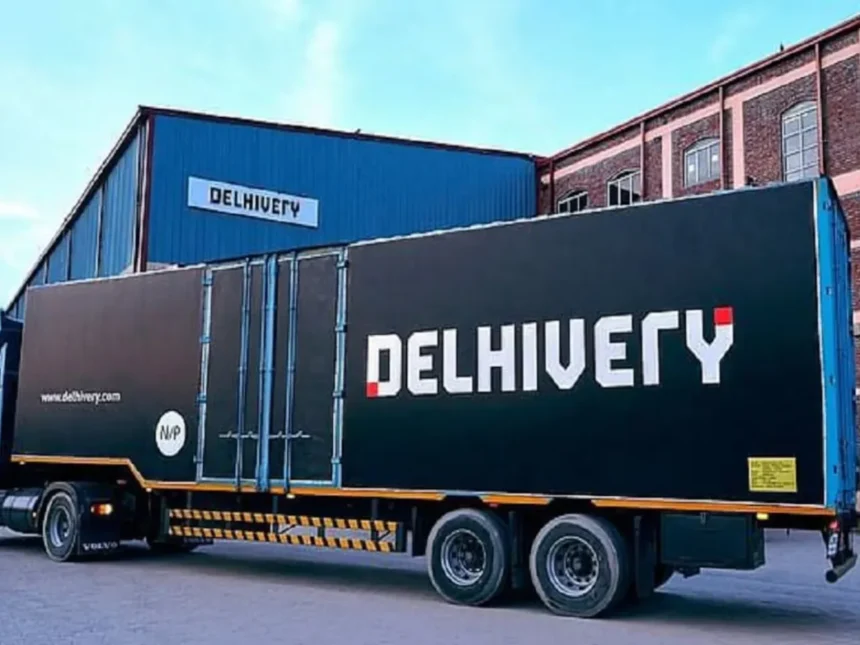
In a dramatic twist that has left investors and industry watchers talking, Delhivery Ltd., India’s leading logistics and supply chain company, reported a 17% year-on-year revenue growth for Q2 FY26, but still posted a net loss of Rs 50 crore. The loss comes in the wake of its ambitious Ecom Express acquisition, which has triggered one-time integration costs that overshadowed what otherwise would have been a profitable quarter.
Revenue Growth Hides the Pain
The Gurgaon-based company’s revenue from operations rose to Rs 2,559 crore for the quarter ended September 2025, up from Rs 2,190 crore in the same period last year. Excluding the one-time integration costs related to Ecom Express, Delhivery’s revenue from services stood at Rs 2,546 crore, reflecting a 16% year-on-year growth. This shows that despite the loss, the company’s core operations remain robust and continue to capture the growing e-commerce logistics demand in India.
Even more impressive is the company’s EBITDA performance. Earnings before interest, taxes, depreciation, and amortization surged 162% YoY to Rs 150 crore, delivering an EBITDA margin of 5.9%. Profit after tax, excluding integration costs, stood at Rs 59 crore—a significant jump from Rs 10 crore in Q2 FY25. These figures highlight that Delhivery’s business fundamentals are strong, but the cost of strategic acquisitions is weighing heavily on the bottom line.
The Costly Price of Growth: Ecom Express Integration
The headline-grabbing Rs 50 crore net loss is largely attributed to Rs 90 crore spent on integrating Ecom Express, a move Delhivery has called essential for scaling its operations. The acquisition, which added a significant last-mile delivery network to Delhivery’s existing infrastructure, is expected to pay off in the long run by consolidating its position as India’s dominant logistics player.
Total expenditure for the quarter rose 18% YoY to Rs 2,708 crore, outpacing revenue growth. Freight handling and servicing costs accounted for the lion’s share—68% of expenses—rising to Rs 1,843 crore, while employee benefit expenses increased to Rs 426 crore. These numbers underscore the high-cost nature of running a large-scale logistics operation in a rapidly expanding market.
Analysts have described the loss as a “strategic short-term setback” that reflects the company’s aggressive approach to growth and expansion. “Delhivery is making a conscious decision to invest heavily in integrating Ecom Express, and while this impacts profitability temporarily, it positions the company for a much stronger market presence in the near future,” said a senior logistics sector analyst.
Strategic Move for Long-Term Dominance
The Ecom Express acquisition was aimed at enhancing Delhivery’s last-mile delivery capabilities, especially for e-commerce clients who increasingly demand faster and more reliable delivery services. By merging operations, Delhivery expects to achieve operational efficiencies, expand reach, and offer better service levels to a wider customer base.
Industry insiders believe the integration will also allow Delhivery to optimize its freight handling costs and better leverage technology in supply chain management. “This is a calculated investment. Short-term losses are inevitable in such large-scale acquisitions, but the long-term benefits for market share and operational efficiency are substantial,” noted a logistics consultant familiar with the company.
Investor Reactions and Market Implications
While a net loss might normally trigger alarm, analysts suggest that Delhivery’s strong revenue growth and improved EBITDA margins indicate resilience in its business model. The company’s ability to generate Rs 150 crore in EBITDA despite the one-time integration expenses highlights the underlying strength of its operations.
Investors are closely watching how Delhivery navigates the post-acquisition integration phase. If successful, the merger with Ecom Express could create a logistics powerhouse with unparalleled last-mile delivery capabilities in India—a market projected to grow exponentially as e-commerce penetration continues to increase.
E-commerce Boom Fuels Growth
Delhivery’s strong performance comes amid a booming e-commerce market in India. Online shopping trends continue to push demand for reliable logistics and supply chain solutions, with both small businesses and large retailers relying on companies like Delhivery to ensure timely delivery. The company’s strategic investments, including the Ecom Express acquisition, aim to capitalize on this growth.
“Our Q2 results reflect the strength of our core operations and our commitment to strategic investments that will position Delhivery for long-term growth,” said a company spokesperson. “While integration costs impacted profitability this quarter, we are confident that our expanded network and capabilities will deliver substantial value to our customers and shareholders in the future.”
Challenges Ahead
Despite the optimism, Delhivery faces several challenges in the coming quarters. Integration of Ecom Express involves harmonizing technology systems, workforce alignment, and operational streamlining. Any delays or hiccups in the integration process could put additional pressure on the company’s finances and operational performance.
Moreover, rising costs in freight handling, fuel, and employee benefits continue to challenge profitability across the logistics sector. Delhivery will need to carefully manage these expenses while maintaining service quality to retain its competitive edge.
Looking Forward
Analysts expect Delhivery to gradually return to profitability once the Ecom Express integration stabilizes. Revenue growth and EBITDA performance suggest that the company is on a solid trajectory, and the temporary loss is seen as part of a calculated strategy to strengthen its market position.
“Delhivery is making bold moves to dominate the logistics space in India. The short-term pain is real, but the long-term gain could be transformative,” commented a market strategist. “Investors who understand the strategic rationale behind these numbers may see significant upside as the integration benefits begin to materialize.”
Conclusion
Delhivery’s Q2 FY26 results tell a story of both growth and caution. Revenue is climbing, EBITDA margins are improving, and the company’s core operations remain strong—but the integration of Ecom Express has cast a temporary shadow over profits.
For a company at the heart of India’s e-commerce revolution, these results highlight the high-stakes game of logistics expansion. The key question now is whether Delhivery can turn this acquisition setback into a long-term advantage, solidifying its position as the nation’s top logistics provider.
As the company continues to invest in technology, expand its network, and optimize operations, the next few quarters will be crucial. Investors, competitors, and industry watchers will be paying close attention to see if Delhivery’s bold strategies pay off—or if the integration costs continue to weigh on its bottom line.
One thing is clear: Delhivery is betting big, and the logistics world is watching closely.