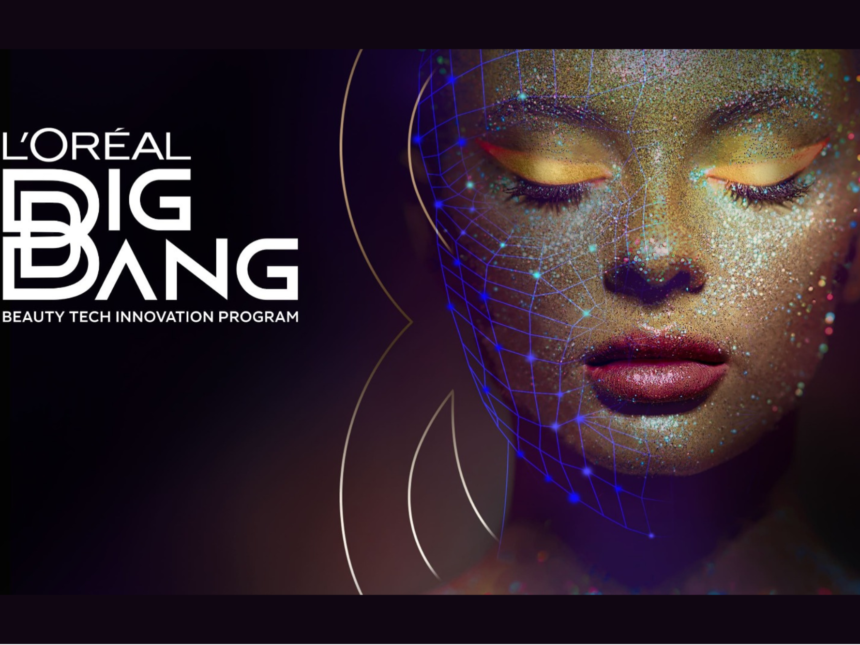
The beauty industry worldwide is in a state of transformation. The causes for this transformation are rapid advancements in digital technologies, AI, biotechnology, and consumer personalization. L’Oréal Groupe, one of the largest beauty conglomerates in the world, has emerged as a major catalyst in this evolution with its flagship Big Bang Beauty-Tech Innovation Program, an initiative to identify, support, and scale emerging startups across regions. The most recent edition, which crowned winners from Australia, India, and the UAE, heralds a very important milestone in positioning beauty as not just a lifestyle category, but a technology-powered sector in shaping the future of consumer experience.
The program covers the South Asia Pacific, Middle East, and North Africa-SAPMENA region, one of the fastest‐growing beauty and cosmetics markets. Startups selected in the initiative are chosen for developing solutions that merge science, sustainability, and digital innovation. From AI-based skin diagnostics and personalized product formulation to clean chemistry and green packaging, the selected ventures represent the cutting edge of beauty-tech thinking. For L’Oréal, the goal is not just investing in promising ideas but co-creating a future wherein beauty products and experiences are deeply personalized, ethically produced, and technologically enhanced.
A key aspect of the program revolves around finding solutions to real-time consumer challenges. The modern consumer, especially in the post-pandemic world, seeks much more transparency, efficiency, and personalization for beauty. They seek out products that exactly match their skin needs, are in tune with their values regarding sustainability, and adapt to day-to-day changes, such as in the weather, under stress, or due to hormonal changes. Through tech-layered solutions, these winning startups showed how such demands could be met. For instance, skin analysis leveraging computer vision and machine learning was introduced by some ventures, while others came up with product formulations through biotechnology for sensitivity, climatic variation, and other demographic needs. This human-centric, scientific innovation fits into the long-term commitment at L’Oréal toward “beauty for all,” an idea that centers on inclusivity and personalized confidence.
Another very important dimension of this initiative is the regional collaboration it nurtures. The startups coming in from Australia, India, and the UAE mean that it opens up a plethora of knowledge from diverse markets, consumer behavior, and cultural expectations about beauty. In particular, India has emerged as a high-potential market for beauty-tech innovation, given the evolving middle class, rising demand for dermatology-backed skincare, and increasing digital adoption. Indian startups in the program demonstrate deep insight into skin concerns and cultural approaches to beauty among locals, something that global brands increasingly strive to factor into product development. In similar ways, startups from the UAE and Australia bring strengths in luxury wellness and green scientific formulations, respectively, further showcasing how cross-border collaboration could beget more holistic and globally relevant beauty solutions.
For startups, winning the Big Bang Beauty-Tech Innovation Program is not just about recognition; winners get direct access to L’Oréal’s global network, research capabilities, mentorship from industry experts, and potential pathways for commercial partnerships or product co-development. In many cases, these startups can scale faster by plugging into L’Oréal’s manufacturing, supply chain, and retail footprint. Such collaborations possess the power to accelerate innovation from small laboratories or niche markets onto mainstream global shelves and digital storefronts.
The implication for the broader industry is clear: beauty is becoming a high-tech industry. Competition based on products is giving way to solution-based differentiation; brands have to offer experiences-digital skin assessments, personalized regimens, virtual try-ons, and smart skincare routines. Beauty companies increasingly act like tech firms: they build data pipelines, invest in biotech research, and deploy AI-driven consumer engagement infrastructures.
L’Oréal’s innovation program also fits into global priorities for sustainability. Many of the participating startups highlight eco-conscious ingredients, biodegradable packaging, cruelty-free testing, and circular production models. As environmental awareness becomes one of the main consumer demands, making beauty-tech sustainable is no longer an ethical decision but a competitive edge. Initiatives such as L’Oréal’s Beauty-Tech Innovation Program will shape the future of how the world perceives beauty in the coming years. Instead of being an industry that enhances from the outside in, beauty may increasingly be viewed as a personalized wellness ecosystem enabled through science, digital intelligence, and cultural inclusivity. Poised to lead this shift are the startups emerging from this innovation pipeline with technology to make beauty more accessible, efficient, and meaningful. As L’Oréal continues to invest in entrepreneurial innovation, the global beauty-tech landscape is just at the threshold of a transformative decade: where creativity meets data, tradition pairs with biotechnology, and beauty is both a personal journey and a digital experience.