HealthTech startups in India are using intelligence to help people get better medical care. They are trying to fix the difference in healthcare between cities and rural areas. By January 2026 these artificial intelligence diagnostic tools are becoming very important to solve the problem of not having doctors, old medical equipment and slow diagnoses in areas that need help. This change is making a difference in how people get basic medical care in rural India. HealthTech startups in India are really making a difference, with intelligence diagnostics.
Rural healthcare has a problem. This problem is that people in areas do not have access to doctors who can diagnose them quickly and correctly. A lot of villages do not have doctors who’re experts in specific areas of medicine. They also do not have labs where tests can be done or machines that can help doctors make diagnoses. Because of this patients have to travel far just to get simple tests done.
HealthTech startups are trying to solve this problem. They are using intelligence to make tools that can diagnose people even when there is not a lot of equipment available. These tools look at pictures of the inside of the body information from pathology tests and symptoms that the patient is experiencing. They use this information to make a guess about what is wrong with the patient. This helps doctors detect diseases early which is very important for healthcare and, for HealthTech startups.
Radiology and pathology solutions that use intelligence are becoming very popular. New companies are making computer programs that can look at X-rays, ultrasounds, ECGs and blood reports and get the right answer most of the time.
In clinics in rural areas where they do not have doctors who are experts in radiology or pathology these tools help the people who work in healthcare figure out what is wrong with patients who have things like tuberculosis, pneumonia, anemia, heart problems and cancer that is just starting.
This helps doctors find out what is wrong with patients faster. It also means that big hospitals, in cities do not get too busy. Radiology and pathology solutions that use intelligence are really helpful.
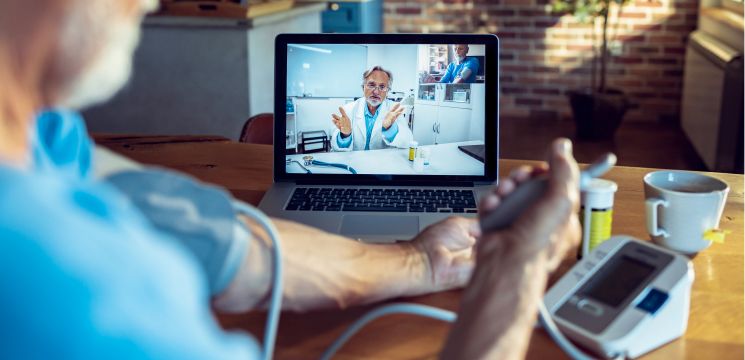
Telemedicine platforms that use intelligence to help with diagnoses are making healthcare in rural areas even better. Some companies that focus on health technology are using these platforms to let doctors talk to patients from away and also using computers to help doctors make decisions. This means doctors in cities can look at cases and get help from computers that can diagnose problems. Patients can get help from specialists quicker. They do not have to travel. Doctors, like this because the computer helps them figure out which cases are the important it alerts them to very bad conditions and it helps them get things done faster. Telemedicine platforms and artificial intelligence are really helping doctors and patients.
Maternal and child healthcare is an area that is affected. Artificial Intelligence tools are being used for this. They help keep an eye on pregnancies that are not going well check how the baby is growing and find problems early. They do this with things that people wear and special mobile tools. In places where people do not have access to doctors who help women and children these technologies are very helpful. They help the health workers who are working directly with people to get involved sooner. This means that problems that could have been prevented are reduced and the results are better, for child healthcare.
The cost of something is very important when it comes to using Artificial Intelligence diagnostics in areas. Some companies that work with health technology are making things that’re not too expensive and can be used by a lot of people. These things can be used on smartphones or special devices that can be carried around. They can be used on the internet. Many of these things work by paying a fee every month or by paying each time you use them which makes them good for small clinics non-government organizations and health centers that are run by the government. People who give money to these companies think that focusing on keeping costs and making things that can be used by a lot of people is a good sign that these companies will be successful in the long run. Artificial Intelligence diagnostics are really important. Companies are working hard to make them affordable, for rural areas.
The government is doing things to help. They are working with private companies too. HealthTech startups are working with state health departments and hospitals in rural areas and primary health centers to use artificial intelligence to help doctors diagnose people who are sick. This is helping to show that the technology really works and it is helping people who work in healthcare and the patients to trust it which’s very important, for people who live in rural areas. HealthTech startups and these collaborations are really important for HealthTech startups to get more people to use their technology in communities.
There is still a lot of work to be done. We have problems, with the data quality. Not everyone knows how to use computers or has a good internet connection. We also have to deal with a lot of rules and regulations. These things are slowing down the deployment speed of the technology.
Startups are trying to fix these problems. They are building AI models that’re easy to understand. They are also teaching health workers how to use these tools.. They are making sure that these solutions work well even when the internet connection is slow.
Looking ahead, experts believe AI diagnostics will become a foundational layer of rural healthcare in India. As technology matures and adoption deepens, HealthTech startups are expected to play a central role in reducing healthcare inequality, improving early diagnosis, and strengthening preventive care. The growing impact of AI-driven HealthTech signals a shift toward a more inclusive, accessible, and technology-enabled healthcare ecosystem.